


Commute Calm: Tiny Techniques for Trains, Buses, and Traffic

Exhale tension and turn everyday rides into gentle reset sessions with small, practical adjustments that meet you exactly where you are. We will explore fast breathing cues, discreet stretches, attention games, and portable rituals tailored for crowded carriages, bumpy buses, and stalled lanes. Expect science-informed nudges, relatable rider stories, and friendly prompts that help you arrive steadier, kinder, and surprisingly refreshed without adding minutes to your schedule. Share what works for you, learn from others, and build a repeatable rhythm that fits real mornings.

Breathwork that fits between stations

Your breath is a built-in toolkit that travels anywhere, asking for no special gear or quiet corner. Small, structured patterns can smooth stress spikes triggered by sudden delays, loud announcements, or rush-hour jostling. By favoring gentle, lengthened exhales, you nudge your nervous system toward balance without closing your eyes or appearing withdrawn. Borrow rhythms from passing poles, station stops, or traffic lights, and let consistency, not intensity, deliver the measurable shift you can feel before the next door chime.

Box breathing with passing poles

Choose four beats you can actually count in motion: inhale for four poles, hold for four, exhale for four, hold for four. If poles blur past, use slow heart-counts or between-station intervals instead. Keep shoulders relaxed and jaw loose. Imagine drawing a square with your breath, corners rounding slightly as you soften effort. After a few minutes, notice your face warming, thoughts spacing out, and urgency easing just enough to meet the day without bracing.

The physiological sigh for rapid reset

Take a small inhale, then one more sip of air on top, followed by a long, unforced, extended exhale through the mouth. Repeat two or three times to discharge accumulated tension. Research suggests this pattern helps rebalance carbon dioxide and can quickly reduce stress. Use it when the crowd swells or a sudden horn startles you. Keep it subtle, lips barely parted, eyes soft. Pair with a friendly inner phrase like here, now, okay to anchor attention.

Paced exhale at every red light

In traffic, let each red light cue a slow exhale twice as long as your inhale. For instance, breathe in for four, breathe out for eight, keeping the out-breath smooth rather than forced. Shoulders melt downward; fingers lighten on the wheel. This gently activates calming pathways and interrupts spirals about arrival times. Stack two lights, then return to normal breathing. Over a week, these tiny repetitions build familiarity, so your body remembers steadiness before your mind starts bargaining.

Tiny stretches your fellow riders will not notice

Micro-movements loosen stiffness without commanding attention or space. Think of them as quiet tune-ups that keep circulation strong and aches manageable during long stands or cramped seats. Focus on joints that gather tension when devices, bags, and rails dictate posture. The goal is not dramatic flexibility but relief that accumulates across stops. Keep movements gentle, rhythmic, and respectful of neighbors, syncing with route patterns so practice becomes automatic, discreet, and kind to your body in unpredictable conditions.

Neck and jaw release behind a scarf

Invite your tongue to rest on the roof of your mouth, teeth un-clenched, lips soft. Slowly draw tiny circles with your nose, as if tracing a coin in the air, alternating directions. Let your scarf or collar provide privacy as you stretch the back of your neck by slightly tucking the chin, never forcing range. Add a silent exhale when the circle passes downwards. Over several rotations, headaches ease, jaw pressure fades, and you stop feeding the clench that mornings often provoke.

Ankles and calves while holding the aisle rail

Shift weight to the balls of your feet and perform micro calf raises, barely lifting your heels, then lowering with control. Roll through the ankles like painting slow arcs on the floor. This pumps circulation upward, warms your lower legs, and steadies balance when the bus jolts. Keep your knees soft and spare a glance around for courtesy. Two minutes transformed a frequent rider’s after-work foot cramps into a forgotten memory, proving subtle efforts can outpace grand resolutions.
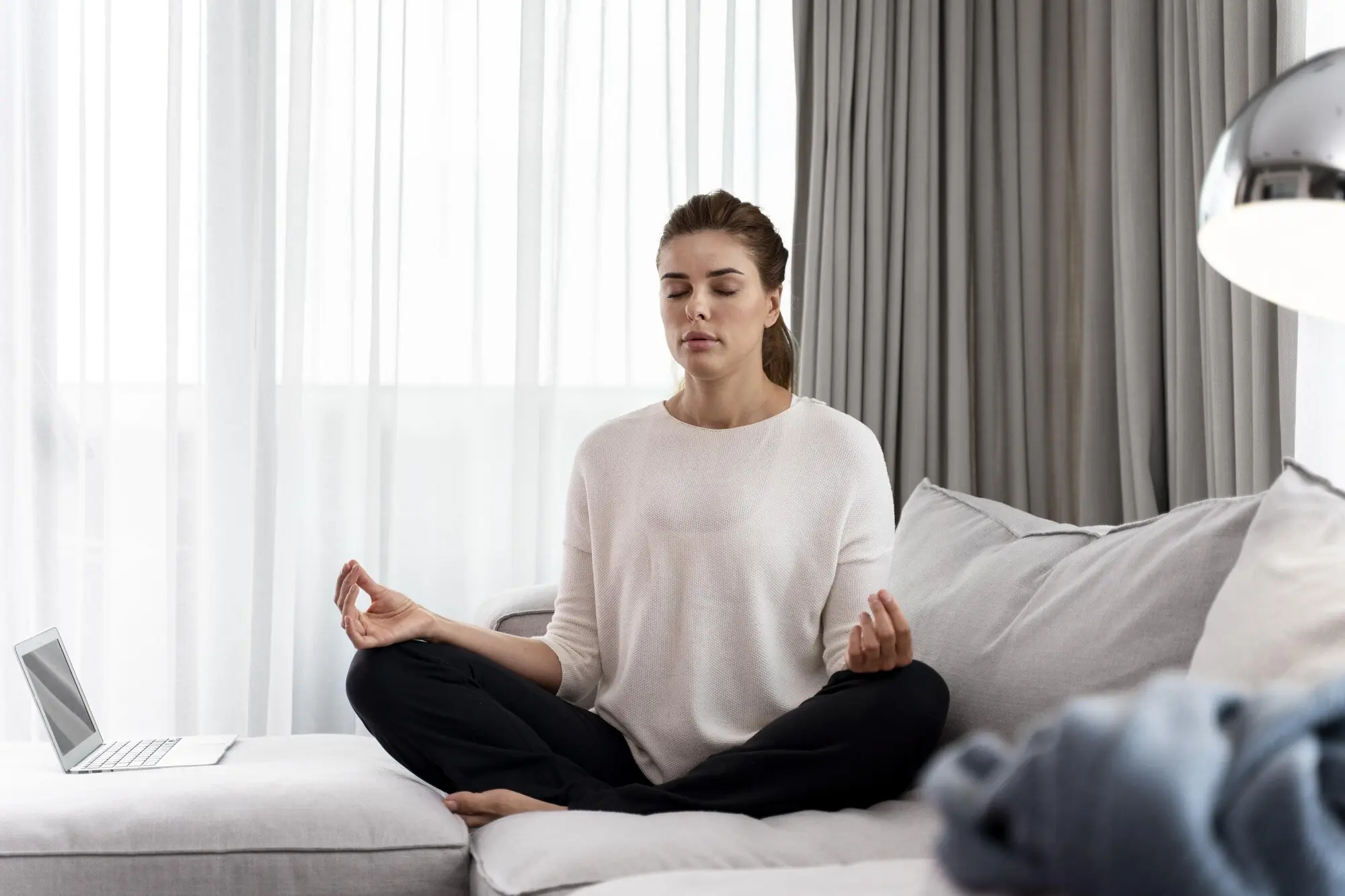
Shoulder resets at the steering wheel

Ease your grip to a lighter hold, lengthen your spine, and imagine your collarbones smiling wide. Draw shoulders up, back, and down in a small, lubricating loop. On the down phase, pair a long exhale and release your tongue from your teeth. If traffic stops, add gentle scapular squeezes like hugging a pencil between blades. Over time, tension migrates away from your wrists and neck, posture improves, and even tight shirts feel less restrictive by the next intersection.

Reframe the wait into worthwhile minutes

Waiting can feel like stolen time until you decide how to spend it on purpose. Treat stops, delays, and slow runs as small containers for clarity, not punishment. Curate micro-rituals that strengthen presence, gratitude, and curiosity without requiring perfect conditions. Limit pressure by choosing repeatable, tiny actions. Measurable wins hook motivation, and that steadiness travels with you past the turnstile. What once drained energy becomes a pocket of momentum you quietly collect, one intentional pause at a time.

Two-sentence gratitude scan

Glance around and name two specific comforts you appreciate right now, then one supportive person you will text something kind to today. Keep it short and real: warm coffee, a seat by the door, earbuds still charged. Neuroscience suggests gratitude shifts attention toward available resources, reducing perceived scarcity. This tiny script takes under thirty seconds but reshapes the mental weather of your ride. Share your favorite prompts with fellow readers, and borrow theirs for fresh perspective tomorrow.

Micro-goal journaling in your notes app

Open a simple checklist and set a three-item plan for the next block of your day, each item doable in under ten minutes. Phrase tasks as visible behaviors, not vague hopes. For example, draft opening paragraph, send one concise update, refill water bottle. Marking small wins builds momentum, which helps offset commute unpredictability. Readers often report arriving calmer because the next steps feel chosen rather than imposed. Screenshot your best micro-list and inspire someone stuck behind you.

The curiosity game with station names

Pick a station or street on your route and ask one playful question about it: origin of the name, hidden landmark nearby, or a local dish worth exploring. Later, spend two minutes researching. Curiosity diverts rumination without heavy focus. It also grows place-based affection, turning routes into living maps, not obstacles. Post your favorite discoveries, and we will feature a weekly map of reader finds, so the ride becomes a collaborative treasure hunt instead of a countdown.

Sound that steadies a rattling carriage

Audio can gently shape your internal pace without shutting out awareness of safety cues. Rather than chasing perfect silence, create intentional soundscapes that harmonize with motion and offer rhythm to breathe by. Think one-song loops, consistent tempos, ambient textures, or short guided practices. Even two minutes can recalibrate mood, especially when practiced at the same part of your route. Share playlists, trade tips, and build a community library that turns metallic clatter into a background conductor for calm.

The leave-five-minutes rule

Depart five minutes earlier than your earliest acceptable time, reframing punctuality as generosity toward future you. Those minutes absorb ticket lines, mis-taps, and surges. If nothing goes wrong, enjoy a slow tea or a mini stretch instead of doomscrolling. Track your on-time rate for a week to see real gains. Readers often report fewer arguments with themselves and gentler mornings at home. Share your favorite ways to enjoy reclaimed minutes, inspiring kinder buffers across the community.

Plan B route rehearsal

Before you need it, actually walk or drive a backup route once, noting landmarks, transfer points, and coffee spots. Vague contingencies rarely soothe nerves, but embodied memory does. Write down three quick triggers for switching plans, like two stalled trains or weather alerts. Confidence grows when options feel rehearsed rather than hypothetical. Comment with your best alternative routes so locals can borrow them in a pinch. Collective knowledge turns individual detours into shared shortcuts for steadier mornings.

Graceful interactions in crowded spaces

Gentle scripts for seat requests

Prepare wording before you need it: Would you mind if I take this seat when you get off at the next stop? Or, I am feeling unwell; could I sit for a few stations, please? Keep tone warm, posture open, and eyes friendly. A soft exhale beforehand steadies your voice. Share scripts that have worked for you, including inclusive language or translation tips, so more riders feel empowered to ask for care without tension building on crowded mornings.

Eye softening and peripheral awareness

Instead of a hard forward stare, imagine widening your visual field to include edges of the carriage. This soft focus reduces perceived threat and helps you notice openings without elbowing. Pair it with relaxed jaw and lowered shoulders. Peripheral awareness tends to ease startle responses during sudden stops, too. Practice for one stop, then rest. Comment about what changed for you, perhaps fewer flinches or smoother step-offs. Tiny shifts in gaze often translate into noticeably kinder body language.

Kindness micro-acts that reset the mood

Hold a door, offer directions, or swap seats without performance or scorekeeping. Simple gestures recalibrate the social temperature of tight spaces, inviting others to mirror calm. Tell us about one generous moment you witnessed this week and how it shaped your ride. Genuine stories remind everyone that courtesy remains abundant, even under pressure. If you are shy, start with silent acknowledgments and relaxed posture. Momentum grows from very small starts, and your example may travel farther than you realize.